We rarely think about water until something goes wrong.
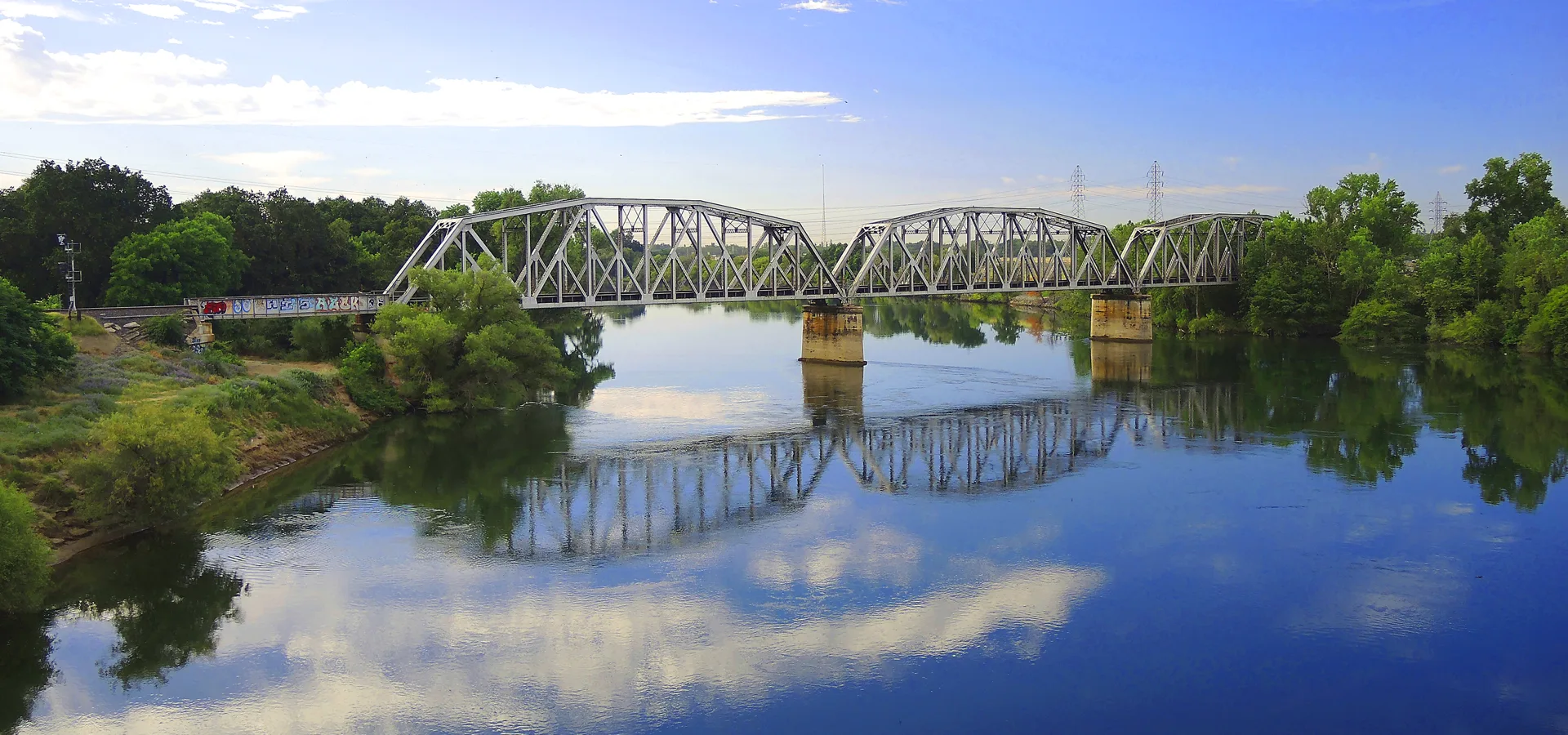
But on the American River this winter, water has been doing exactly what it's meant to do - carrying life upstream.
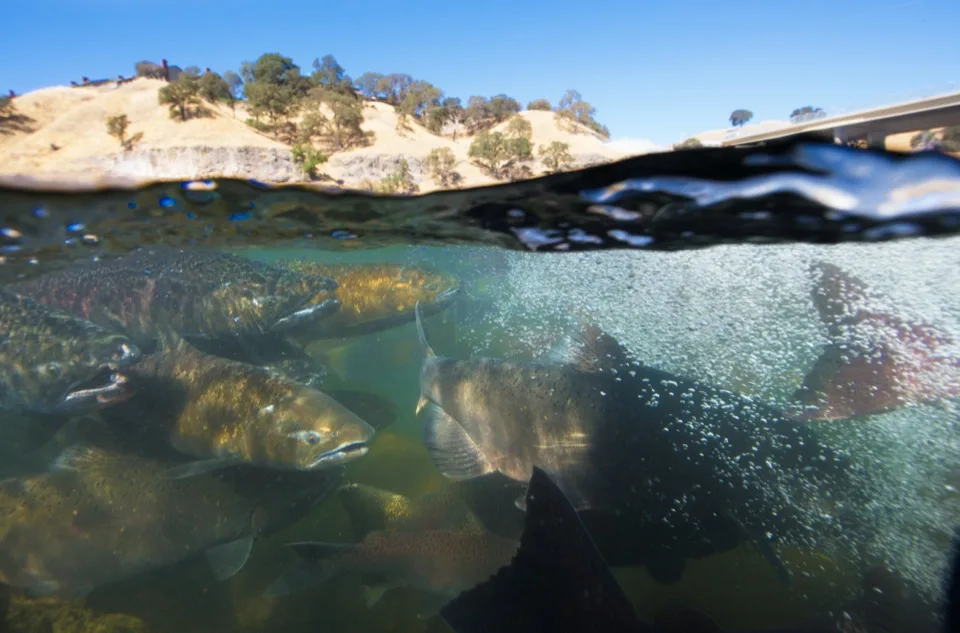
Over the past few months, Chinook salmon have returned from the Pacific Ocean to the place they were born. Gulls spiraled overhead. Turkey vultures with wingspans stretching to six feet rode thermals above the treeline. In the shallows, fish churned gravel and completed one of nature's most precise migrations.
Now, as the season tapers off, the river has grown quieter.
But the work continues.
A river transformed
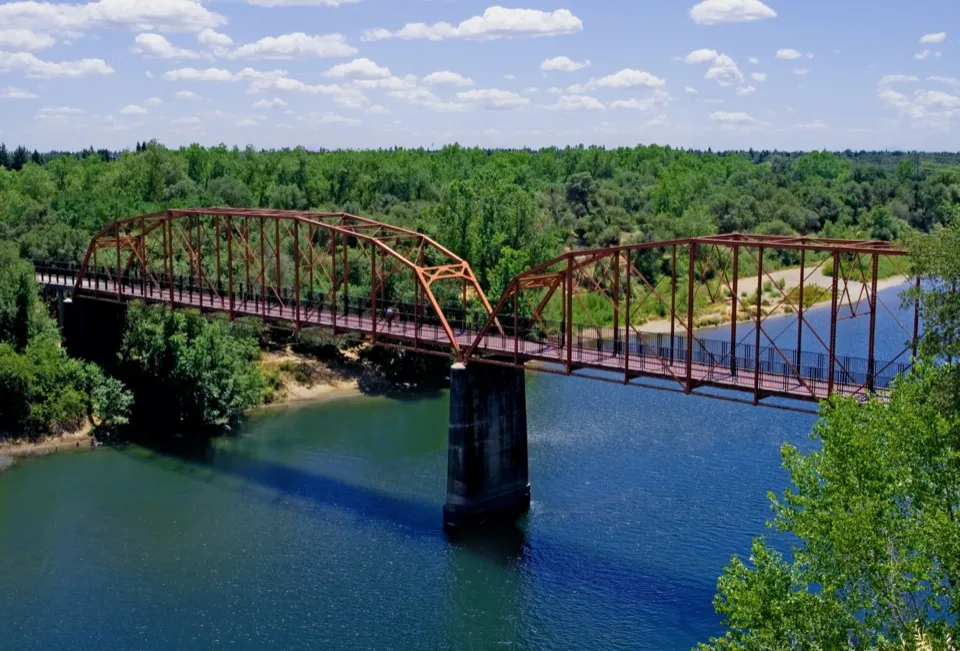
If you walked, ran, or biked along the American River this winter, you likely saw the signs.
Gulls gathering in large numbers. Vultures gliding in slow circles. Salmon holding steady in current that would exhaust most creatures.
Each fall and winter, Chinook salmon return to the stretch of river where they hatched years earlier. Guided by instinct and scent, they push upstream to lay and fertilize eggs in shallow gravel beds near the Nimbus Fish Hatchery and beyond. Then they die.
It is not an ending. It is a transfer of energy - from ocean to river, from fish to forest.
Nature's recycling system
The crowds of birds were not a warning sign. They were evidence of balance.
After spawning, salmon carcasses feed birds, insects, and other wildlife. Nutrients from the ocean - nitrogen, phosphorus, trace minerals - move back into the watershed. Plants absorb them. Aquatic organisms depend on them.
Scientists call this marine nutrient transport.
On the riverbank, it looks like renewal.
By consuming the fish quickly, scavengers also help protect water quality, preventing excess decomposition from overwhelming dissolved oxygen levels in the river.
Clean water, working systems
Healthy salmon runs depend on more than instinct. They depend on water that supports life.
The Central Valley Regional Water Quality Control Board, part of the State Water Resources Control Board, monitors conditions along the American River and throughout the Central Valley.
Throughout the salmon season, staff collected samples measuring bacteria, dissolved oxygen, temperature, and nutrients - tracking how natural cycles and seasonal events influence aquatic health.
This steady oversight helps ensure rivers remain safe and resilient - for spawning salmon, for wildlife, and for the people who swim, paddle, fish, and draw drinking water downstream.
Modern water management often works quietly in the background. When it succeeds, it allows natural systems like this one to function as they have for millennia.
The hatchery's role
At the Nimbus Fish Hatchery, visitors watched salmon climb the fish ladder step by step. Hatchery staff carefully collected eggs and milt, or fish sperm, to support the next generation. Built in the 1950s to offset habitat lost to dam construction, the hatchery now releases millions of young salmon each year, supporting both recreational and commercial fisheries. It's a reminder that infrastructure and ecology are not always in opposition. With careful planning and oversight, they can coexist.
The homing instinct
How do salmon find their way back?
When young salmon migrate downstream, they imprint on the chemical signature of their natal stream - a unique blend of minerals, temperature, and vegetation.
Years later, after roaming thousands of miles in the Pacific, they return using a combination of Earth's magnetic field and an extraordinary sense of smell.
More than 90 percent come back to the very stream where they hatched.
A few stray. Those wanderers repopulate streams after floods, fires, or droughts.
It is both fidelity and adaptation - a strategy refined by evolution.
As the season winds down
The peak has passed. The frenzy overhead has thinned. The river appears calm again.
But beneath the gravel, eggs incubate.
Nutrients have moved into soil and root systems. Insects feed. Birds linger.
The river is not dormant.
It is preparing.
What you may still notice
Even at the tail end of the run, you might see:
- Fresh gravel patches in riffles - salmon nests holding the next generation
- A late-arriving fish flashing in shallow water
- A lone vulture overhead
- Herons, egrets and the occasional otter working the shoreline
What can look like decay is actually abundance - energy moving through a system designed to waste nothing.
Learn more about state water quality monitoring programs.