
When it comes to drinking water, few words raise concern as quickly as lead — especially for parents of young children. That concern is well-founded: lead is a toxic metal with no safe level of exposure, and drinking water has historically been one of several pathways through which people could be exposed.
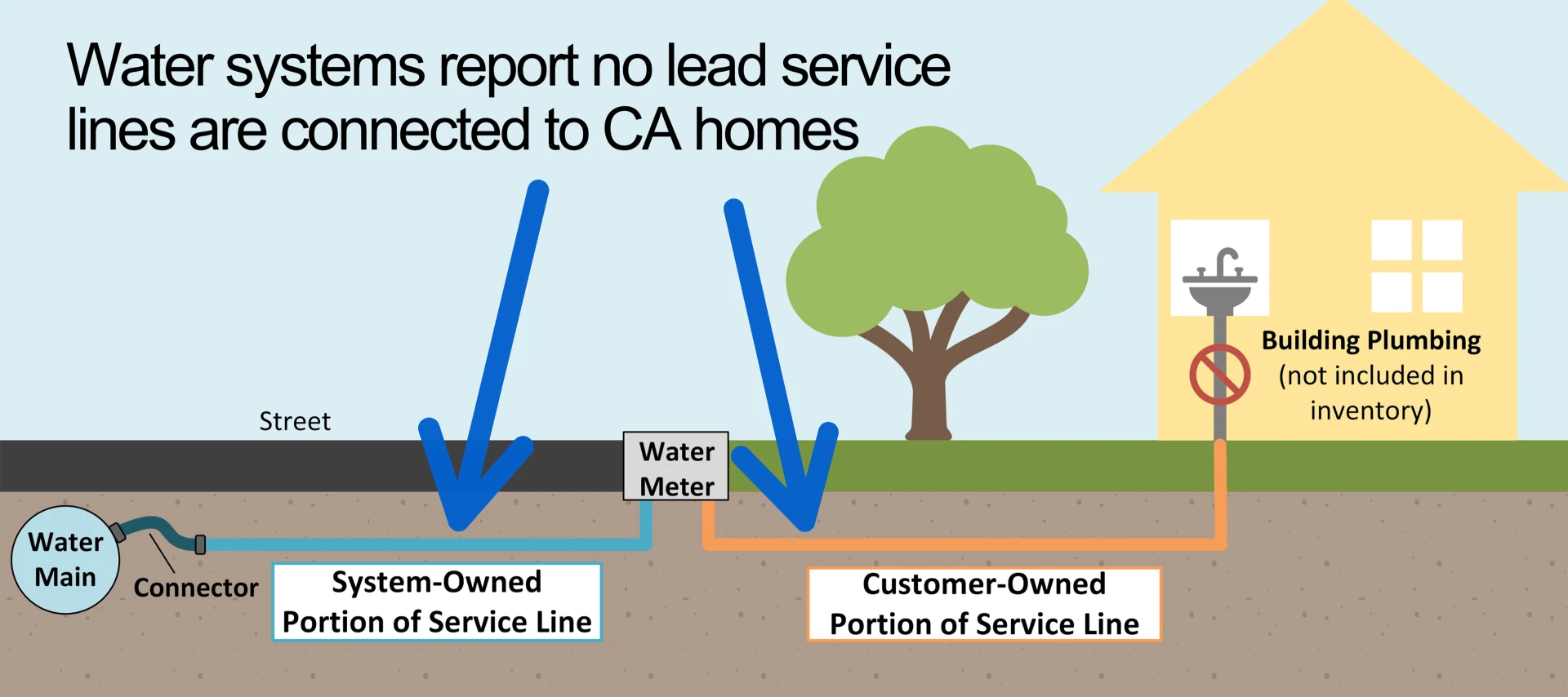
But in some regions of the United States, lead was once a common construction material because it was durable and easy to work with. In particular, it was often used in service lines, or the pipes that connect water mains in the street to homes and buildings.
That’s why the U.S. Environmental Protection Agency (EPA) recently required water systems nationwide to inventory the number of lead service lines in their water systems — a first-of-its-kind effort to identify where lead pipes may still be delivering drinking water to homes.
California completed that inventory this year and the result may surprise many people: no lead service lines were found among millions of water service connections statewide.
“We expected this result for the most part, but we couldn’t say that until we’d reviewed every inventory,” said Wes Stieringer-Sisneros, a senior environmental scientist who oversees the inventory effort for the State Water Board’s Division of Drinking Water. “It took a dedicated team and a tremendous amount of work to verify what water systems reported.”
This outcome stands in contrast to many other parts of the country, where utilities are confronting the costly and complex task of removing thousands — sometimes tens of thousands — of lead service lines. According to USEPA, so far three million service lines nationwide are confirmed to contain lead. California’s results offer a moment to reflect on how we got here, why doing an inventory still matters, and what residents should know going forward.

The case for a nationwide inventory
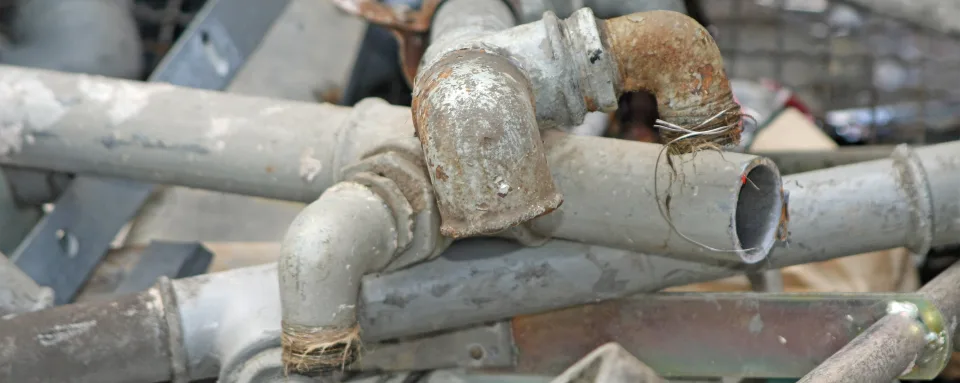
Over time, scientists and public-health officials established a clear link between lead exposure and serious health impacts, particularly for children. In response, the Safe Drinking Water Act was amended in 1986 to include a federal ban on the use of lead in public water systems and residential plumbing connected to drinking water. The ban did not extend, however, to pipes already in the ground.
In 2024, the EPA strengthened its Lead and Copper Rule, requiring water systems to identify the materials used in their service lines and make that information publicly available. California is now moving to adopt those federal improvements into state regulations; the action will be considered at the State Water Board’s meeting on Aug. 19.
The goal of the inventory is transparency and prevention:
- To ensure utilities know what materials deliver water to homes.
- To prioritize replacement where lead service lines exist.
- To reduce the risk of lead exposure before it occurs.
Why California found no lead service lines

“We expected this result for the most part, but we couldn’t say that until we’d reviewed every inventory.”
— Wes Stieringer-Sisneros, Division of Drinking Water Senior Environmental Scientist
California’s inventory did not happen in a vacuum. The findings reflect decades of policy decisions, infrastructure practices, and follow-through by water systems across the state.
Several factors played a role:
- Early limits on lead materials. California restricted the use of lead in plumbing materials earlier than many states and continued tightening those standards over time. As a result, lead was never as widespread in water service lines here as it was elsewhere.
- Long-term infrastructure stewardship. In the rare cases where lead service lines were installed — such as during World War II, when materials like copper and steel were scarce — utilities wisely considered them as temporary solutions. Removal often began as soon as alternative materials became available, sometimes decades before federal mandates required action.
- Proactive inventory efforts. Years before the U.S. EPA’s national requirement, California water systems were already reviewing historical records, verifying service line materials, and planning for replacement where necessary. By the time the federal rule took effect, many systems had already done much of the work.
Together, these actions reflect a pattern of foresight, consistency, and follow-through — and, in some cases, good fortune that early decisions aligned with what science would later confirm.
While California did not identify lead service lines, lead can still enter drinking water through household plumbing.
What this means for public health — especially for children
Lead exposure is particularly harmful to infants and young children because it can interfere with brain development, learning, and behavior. Even low levels of exposure have been linked to:
- Reduced IQ.
- Attention and learning difficulties.
- Behavioral challenges.
Eliminating lead service lines removes one major potential source of exposure at the community level. That’s significant from a public-health perspective: preventing exposure is far more effective than responding after harm has occurred.
At the same time, it’s important to be clear about what this result does — and does not — mean.
Lead can still come from inside the home
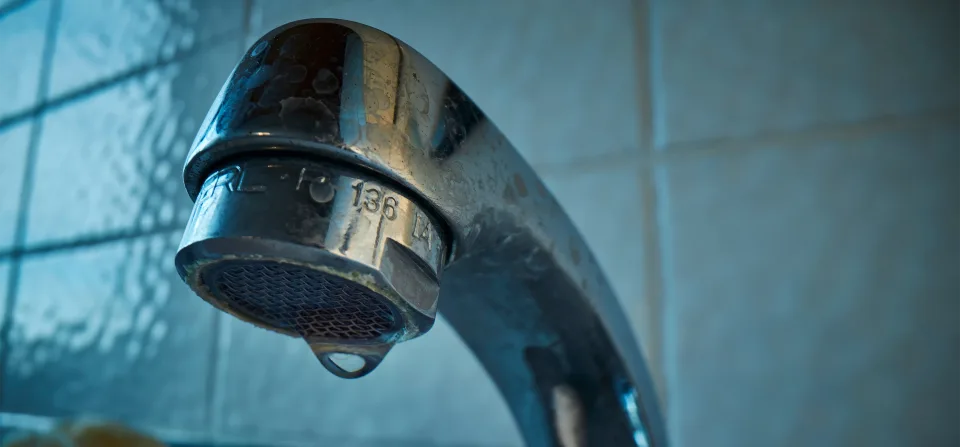
While California did not identify lead service lines, lead can still enter drinking water through household plumbing, particularly in:
- Homes built before 1986.
- Plumbing fixtures or faucets manufactured before the 2014 federal lead-free standards took effect.
- Lead solder used to join pipes decades ago.
For residents living in older housing or those unsure about their plumbing materials, testing drinking water remains a useful step for peace of mind. Local water systems can provide information about testing options and how to interpret results.
The service line inventory closes the door on one important exposure pathway — but awareness and informed action at the household level still matter.
It’s also important to remember that drinking water isn’t the only potential source of lead exposure. In California, deteriorating lead-based paint remains the leading cause of childhood lead poisoning, followed by lead-contaminated dust and soil. Families concerned about lead should consider these potential sources as well.
Making the inventory public
As part of this effort, California is launching a new public map and data resource that allows residents to see how their local water system reported its service line materials.
Making this information accessible supports public trust, accountability, and informed decision-making.
It also provides a clear baseline as water systems continue monitoring, maintaining, and upgrading infrastructure to protect public health.
Yes, it’s a success — and a reminder
California’s lead service line inventory shows what’s possible when early decisions, sound policy, and sustained effort align over time. It’s a reminder that some of the most important public-health successes are the ones most people never notice — because the harm never occurred.