


99% of California’s single-walled underground storage tanks closed ahead of deadline
Old, leak-prone tanks closed to protect groundwater and drinking water
SACRAMENTO – Reflecting a deep commitment to protecting groundwater—including $183 million in state aid since 2015—the State Water Resources Control Board announced today that 99% of the 50,000 single-walled underground gasoline and hazardous substance storage tanks installed decades ago were closed ahead of the Jan. 1, 2026, deadline. The owners of the remaining tanks are subject to enforcement action.
California has been regulating underground tanks for decades, passing the nation’s first prohibition on the installation of single-walled tanks in 1983. Until that time, underground tanks were constructed with only one wall between their contents and the surrounding soil. Made of bare steel, these tanks were prone to rust and corrosion, causing leaks over time. In 2014, the Legislature mandated that all single-walled tanks be closed permanently through sealing or removal by 2026.
“The 99% closure rate is a testament to decades of partnership between operators and the state to remove the dangers posed by leaking single-walled underground storage tanks,” said E. Joaquin Esquivel, State Water Board chair. “The board will work with the remaining operators and local enforcement agencies to ensure every single-walled tank is closed so they no longer threaten communities, drinking water supplies and the environment.”
For years leading up to this deadline, the board and local regulatory agencies have been working together closely to ensure that all single-walled tank operators were aware of the deadline and various funding opportunities to help with removal and cleanup costs. Since 2015, the board has provided grants and loans to 630 different station operators. The state overall has distributed over $5 billion since the early 1990s to remediate soil and groundwater contamination from leaking tanks.
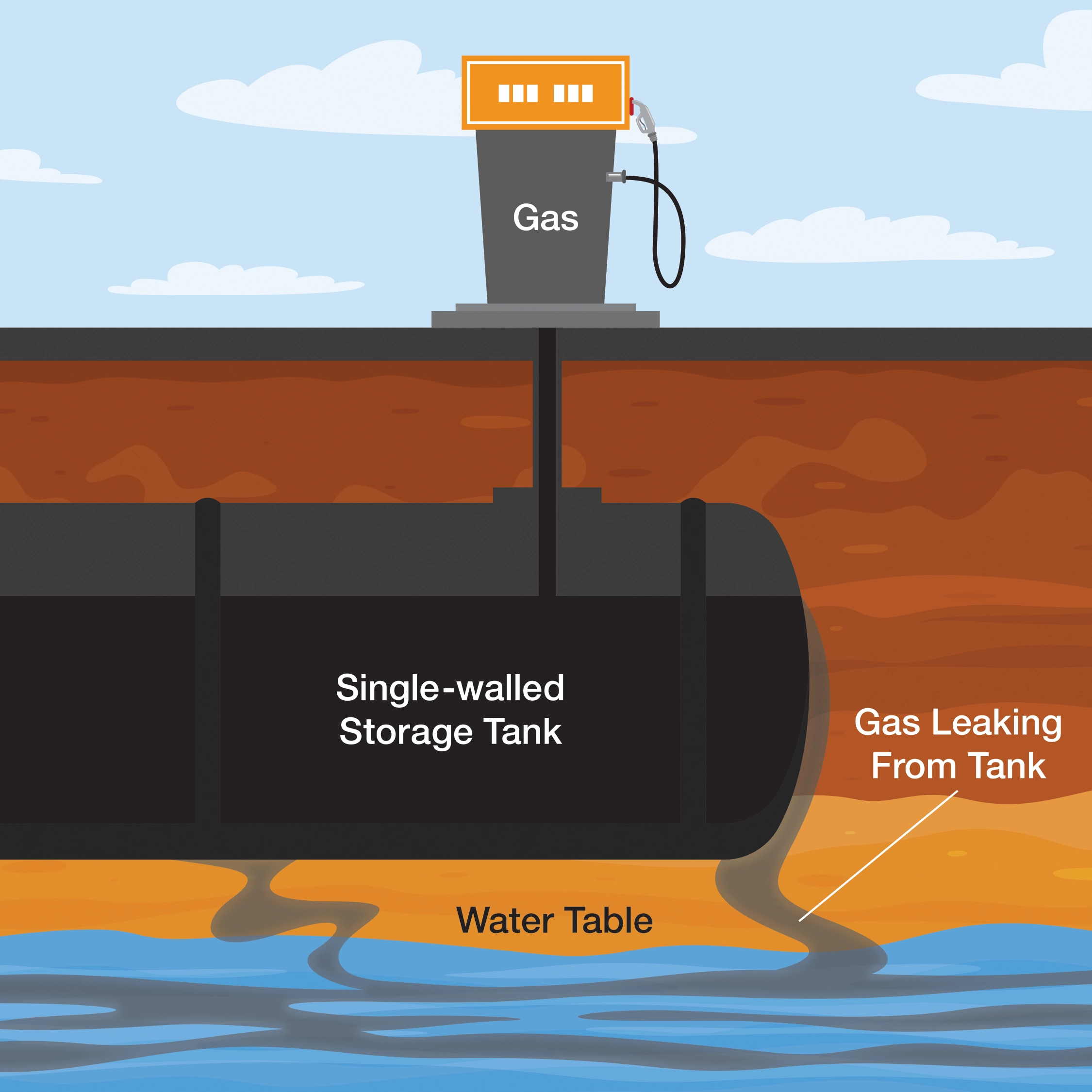
As of December 2025, over 49,350 single walled tanks in California were closed. Going forward, operators of around 650 remaining single-walled tanks located primarily at gas stations, airports, industrial plants, municipal facilities and military bases – are barred from dispensing from or refilling the leak-prone tanks that can pollute soil and groundwater. Often, there are multiple tanks at one location. Operators of the remaining tanks are subject to enforcement actions, which can include the “red-tagging” of tanks to prevent fuel deliveries and dispensing and civil penalties ranging from $500 – $5,000 per tank per day per violation. Most of these operators were in the formal planning stage for removal as of December. Final compliance numbers are expected to be tabulated sometime in February.
About 30% of single-walled tanks closed or removed so far leaked, and the board estimates that a higher percentage of the remaining tanks have or will leak and require cleanup.
Visit the board’s website to learn more about California’s progress removing single-walled tanks, the history of regulatory action and answers to frequently asked questions.
The State Water Board’s mission is to preserve, enhance and restore the quality of California’s water resources and drinking water for the protection of the environment, public health and all beneficial uses, and to ensure proper resource allocation and efficient use for present and future generations.

